ALFALFA HAY (LUCERNE)
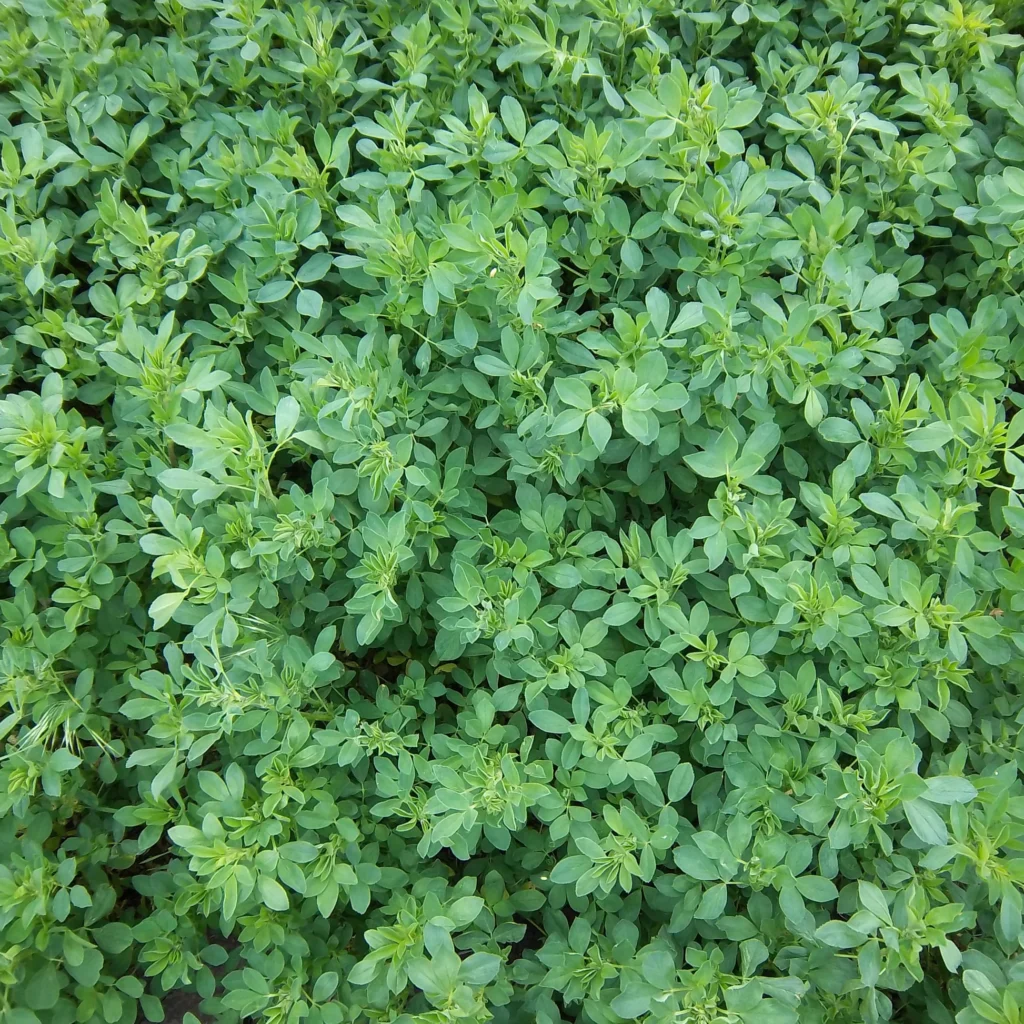
Alfalfa (lucerne) is a legume forage from the pea family and is recognized as one of the most nutrient-dense perennial forages available. It is widely used in feeding programs for horses, dairy cows, beef cattle, sheep, poultry, and other livestock.
Nutritional Profile
Alfalfa hay provides:
Approximately 17% high-quality protein
About 75% digestible protein
High levels of digestible fibre
Significant energy content
Rich supply of calcium, vitamins, and trace minerals
Compared to grass hays (≈8% protein) and grains (≈10–11% protein), alfalfa offers superior protein concentration and digestibility. Its amino acid profile is well balanced, supporting growth, reproduction, lactation, and recovery.
Mineral Balance
Calcium is essential for skeletal structure, tooth integrity, hoof strength, nerve transmission, and muscle contraction. Bone tissue contains approximately 9–10% calcium.
The optimal calcium-to-phosphorus ratio for most livestock is around 1.7:1. Grass and grass hay typically maintain this balance. Oats may present an inverted ratio (up to 1:6), which can lead to calcium mobilization from bones if not corrected. Alfalfa is naturally high in calcium and is effective in balancing rations where phosphorus-rich feeds are included.
Use in Horse Nutrition
Alfalfa hay is widely included in rations for:
Growing young horses
Broodmares
Lactating mares
Performance and working horses
Senior or recovering horses
Its high protein and calcium content makes it particularly suitable for broodmares and young stock. Due to its palatability and softer texture, it is often preferred by selective eaters and is easier to chew for older horses.
Feeding Considerations
Alfalfa can be used as:
A primary forage source
A supplement to grass hay
A balancing component in concentrate-based rations
Where alfalfa is used as the sole forage, professional nutritional guidance is recommended to ensure proper ration balance, particularly in relation to energy density and mineral ratios.
Due to its nutrient density, digestibility, and consistent feed value, alfalfa hay remains one of the most widely utilized and functionally important forage options in modern livestock nutrition.
Harvesting and Quality
In Turkey, alfalfa harvesting begins in early spring. Fields may be cut multiple times per season, up to three cuttings in warmer regions.
Maximum nutritional value is achieved when alfalfa is harvested at the pre-bloom stage. At this stage, nutrients are concentrated in the leaves and stems rather than being transferred to fully developed flowers.
Quality grading is based on:
Nutritional content
Leaf-to-stem ratio
Texture
Color
Overall digestibility
Proper curing is critical to preserve protein levels, vitamin content, and leaf integrity.
Alfalfa analyse
- Dry matter ...................... 91,3 %
- Calcium...........................01,6 %
- Phosphorus ....................0,3 %
- Oil.....................................2,5 %
- Crude Protein ..................17,0 %
- Crude protein, Digestible.12,8 %
- Fibres...............................29,5 %
- Crude Protein ...................17,0 %
- ASH....................................9,4 %
- Energie ................10,0MJ/KgDM
Trace Element
- Flour ...........................11,0
- Cobalt............................0,1
- Copper ..........................9,0
- Manganeze....................33,0
- Molybdene.....................0,6
- Nickel ...........................1,6 %
- Selenium............................0,3
- Iron ................................250,0
- Zinc...................................22,0
- Sulphur ........................2000,0
Minerals %
- Calcium ...........................91,3 %
- Chlorine........................... 01,6 %
- Phosphorus .....................0,3 %
- Kalium............................... 2,5 %
- Magnesium ......................17,0 %
- Natrium ...........................0,08 %
Amino Acid
- Arginine ..................................7,3
- Clycine+serine........................15,4
- Histidine ................................3,4
- Isoleucine ..............................7,4
- Leucine.................................12,6
- Lysine......................................7,6
- Methionine..............................2,4
- Methionine+cystine................4,7
- Phenylalanine+tyrosine..........13,8
- Threonine ..............................7,1
- Trytophanese ........................2,9
- Valine .....................................9,4
Nitrogen Con. Substance
- Arginine ...............................4,26
- Clycine+serine.......................8,97
- Histidine ................................2,0
- Isoleucine ............................4,32
- Leucine.................................7,03
- Lysine......................................4,39
- Methionine..............................1,42
- Methionine+cystine................2,71
- Phenylalanine+tyrosine..........8,0
- Threonine .............................4,13
- Trytophanese .......................1,68
- Valine ...................................5,48
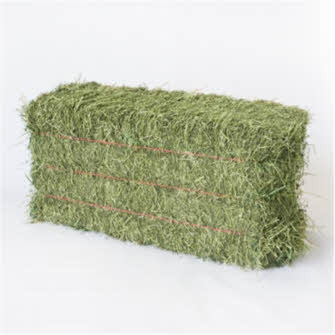
20-34 Kg
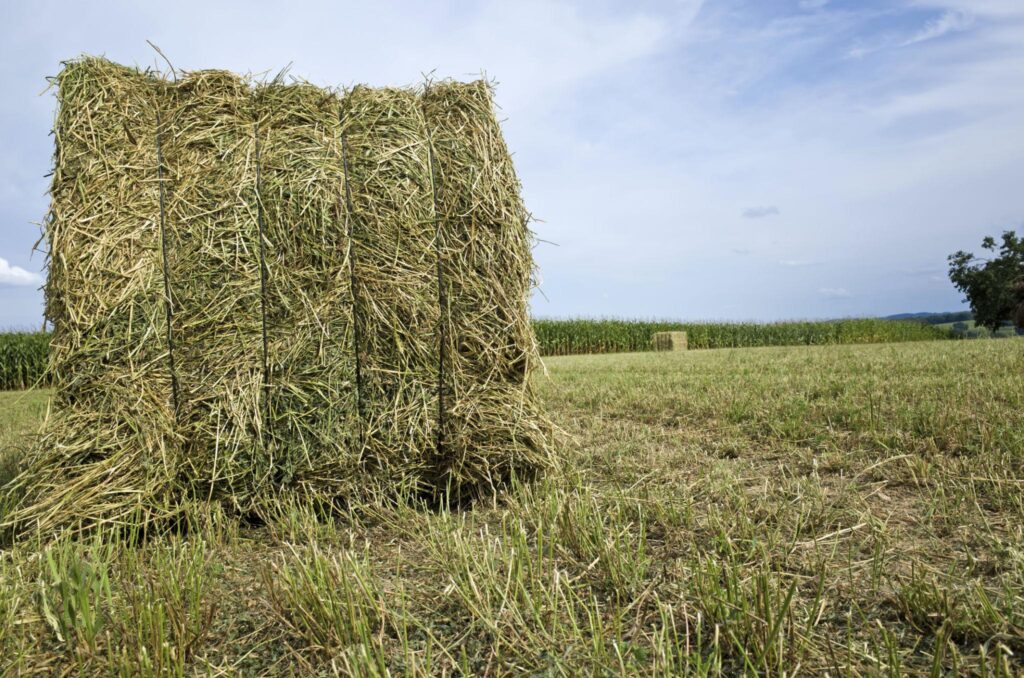
A favorite of camel, sheep, and goat ranches, the Mini Bale is a very efficient packaging options for both shipping Container 9,5-12 Tons
250-430 Kg
This bale is a flexible alternative to the 430kg bale. This bale is single-compressed, Forklifts are required to move this product, but flaking the bale makes for flexible hand feeding. 40 Feet Container 14-16 Tons
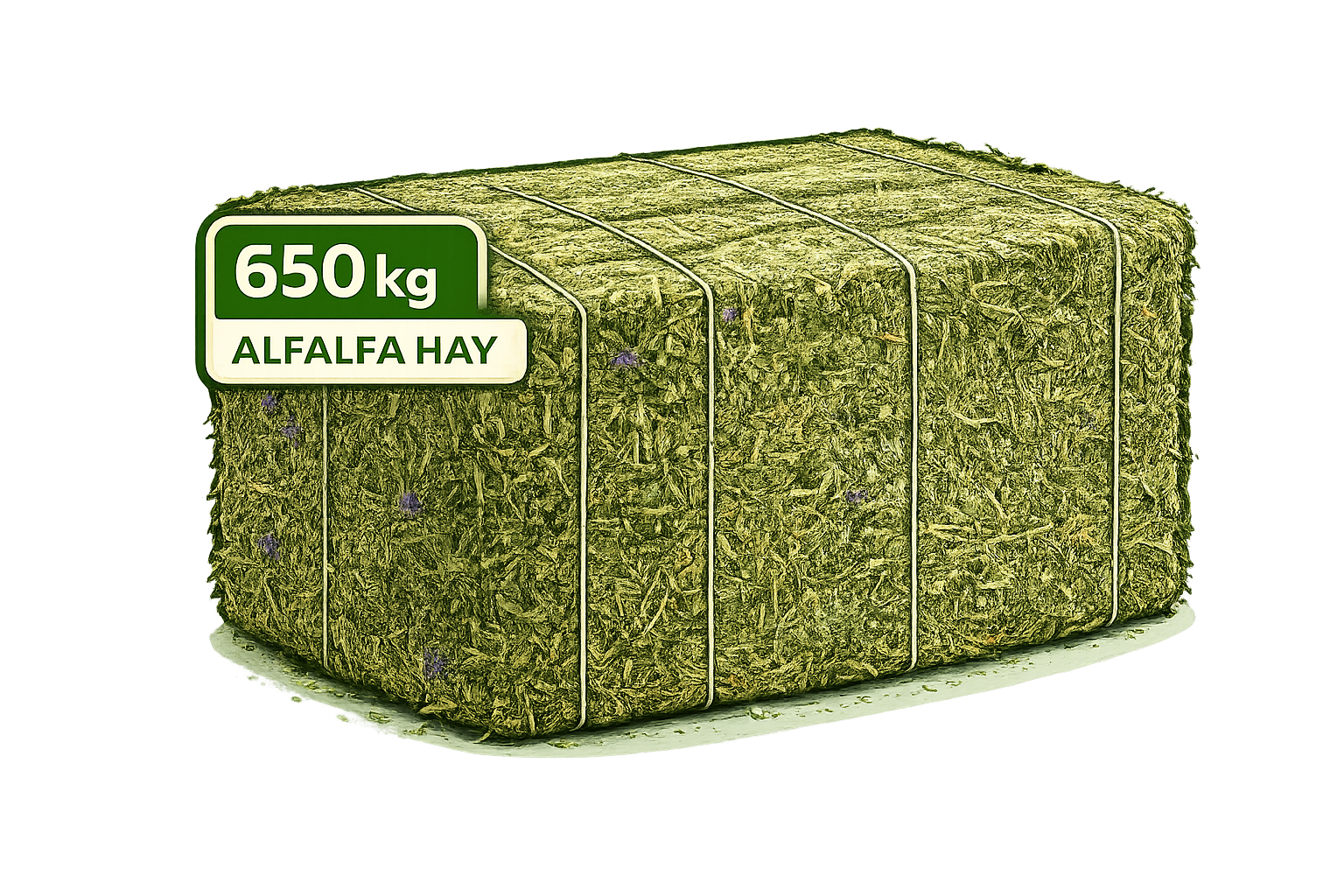
600-650 Kg
This bale is a flexible alternative to the 430kg bale. This bale is double-compressed, Forklifts are required to move this product, 17,5-19 Tons